Guides
Please, thank you and excuse me in Italian
The small politeness words that make every interaction smoother in Italy, and how to use them without overthinking.
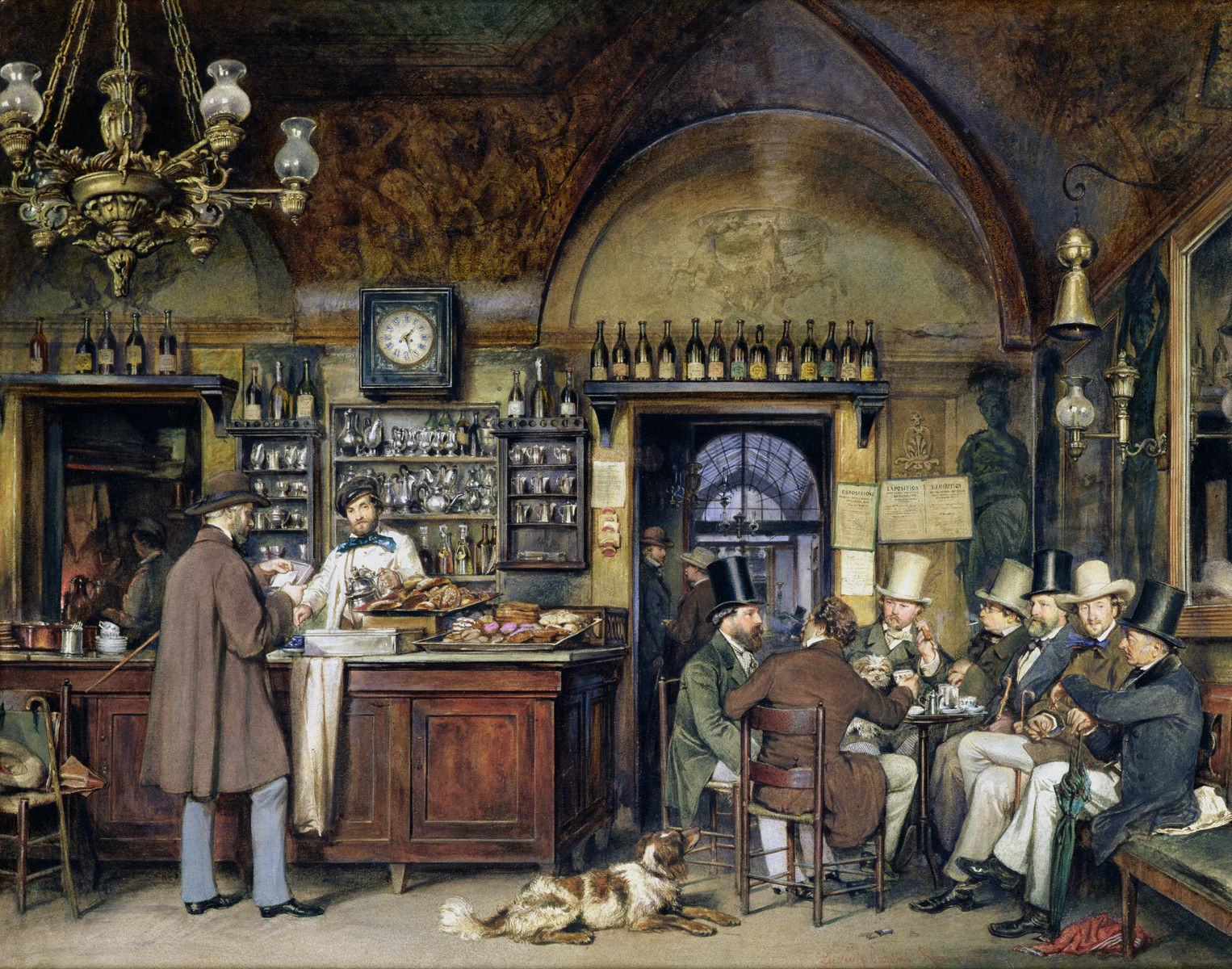
Politeness words are tiny, but they do more work than any other beginner vocabulary. Attach them to the requests you already know and every exchange softens. You do not need perfect grammar around them; you need them ready on the tip of your tongue.
“Per favore” is please, and it sits at the end of a request: “Un caffè, per favore.” “Grazie” is thank you; “grazie mille” is a warmer “thanks a lot”. When someone thanks you, the reply is “Prego”, which also means “you’re welcome” and “go ahead”. Hearing “prego” as you enter a shop simply means “please, come in / how can I help”.
“Scusi” is your all-purpose excuse-me for getting attention or apologising to someone you would address formally — a stranger, a waiter, an official. With a friend it becomes “scusa”. Use it to open a question (“Scusi, dov’è…?”) or to squeeze past someone (“Permesso” also works for “may I pass”).
“Mi dispiace” is “I’m sorry” in the sense of regret — when you have to refuse or when something has gone wrong. Do not confuse it with “scusi”, which is the quick apology for bumping or interrupting. A beginner who keeps the two straight already sounds considerate.
Drill these five — per favore, grazie, prego, scusi, mi dispiace — until they attach automatically to your requests. They cost almost nothing to learn and they change how people respond to you, which for a beginner is the fastest confidence you can buy.
- “Per favore” ends a request; “grazie / prego” are thanks and you’re welcome.
- “Scusi” gets attention or apologises formally; “scusa” is the informal version.
- Keep “mi dispiace” for genuine regret, not for a quick excuse-me.