Guides
How to say hello and goodbye in Italian
Ciao, salve, buongiorno: which greeting to use with whom, and how to not sound too casual with a stranger.
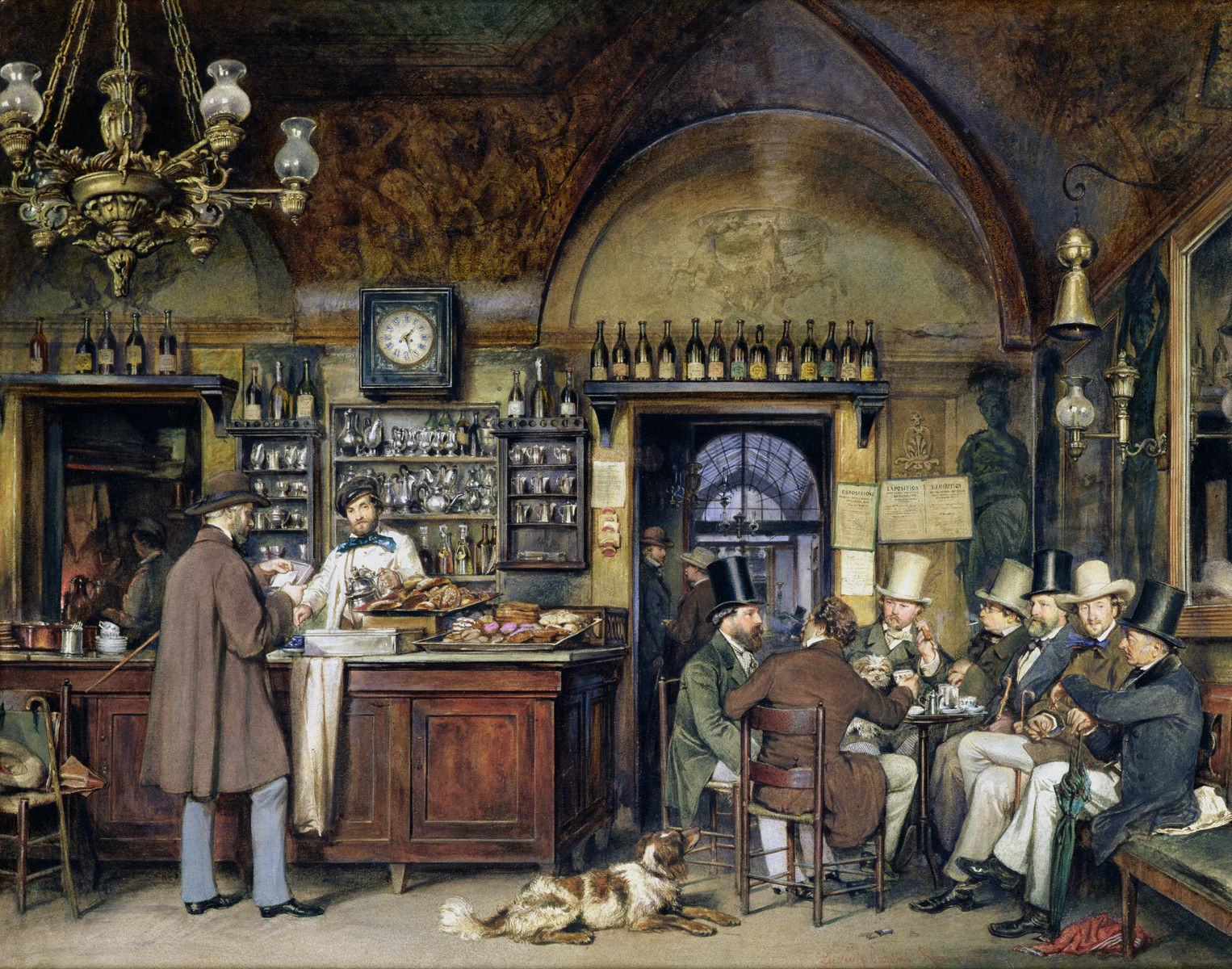
Greetings are the first thing you say and the first thing people judge, so it is worth getting the register right. “Ciao” is friendly and informal — perfect with people your own age, friends, and anyone who has already said it to you. With a stranger, a shopkeeper, or someone older, it can feel too familiar. Reach for “Salve” or a time-of-day greeting instead.
The time-of-day greetings are the safe, polite default. “Buongiorno” covers the morning and early afternoon; “Buonasera” takes over from late afternoon into the evening. You can use both to say hello and, in many situations, to say goodbye as well. When in doubt with someone you do not know, “Buongiorno” is never wrong.
“Salve” is the useful in-between: more polite than “ciao”, less fixed to a time than “buongiorno”. It works when you are not sure how formal to be, which as a beginner is often. Keep it ready for entering a shop or greeting a receptionist.
For goodbye, “Arrivederci” is the standard polite choice — it simply means “until we see each other again”. “Ciao” doubles as an informal goodbye. Late at night you will hear “Buonanotte”, but only when someone is actually going to bed or ending the day, not as a general goodbye.
Pick your two defaults and drill them: “ciao” for people you are close to, “buongiorno / buonasera” for everyone else. Say each with a small nod. Getting the register right on the first word buys you goodwill for the rest of the conversation.
- Use “ciao” only with peers or people who used it first.
- “Buongiorno” and “buonasera” are the safe, polite defaults with strangers.
- “Arrivederci” is the standard polite goodbye; “ciao” is its informal version.