Guides
How to order coffee in Italian
The short scripts that get you a coffee at an Italian bar, plus the bar habits that trip up beginners.
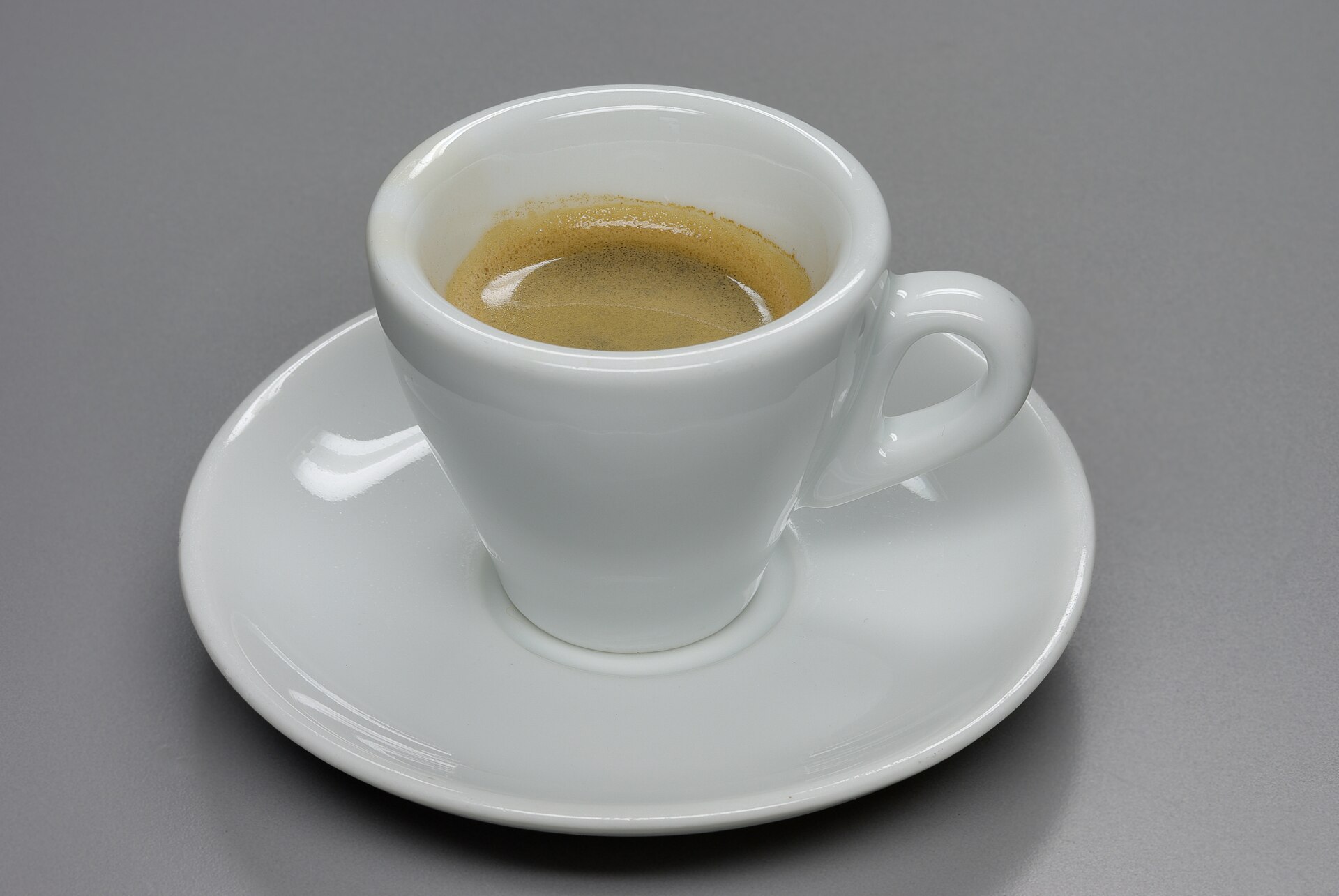
The Italian bar moves fast, and that is good news for a beginner: you only need a few fixed lines, said with a smile. Walk in, catch the barista’s eye, and lead with the polite order. “Un caffè, per favore” gets you an espresso, because in Italy “un caffè” already means an espresso. You do not need the word espresso at all.
Learn the three or four drinks you will actually ask for, not the whole menu. “Un cappuccino” and “un caffè macchiato” are safe. If you want a longer coffee, “un caffè lungo”; a smaller, stronger one, “un caffè ristretto”. Milky drinks are a morning thing in Italy, so a cappuccino after lunch will mark you as a tourist, though nobody will refuse to make it.
Paying has two patterns. In many bars you order and pay at the counter, then drink standing. In others you pay first at the till (“la cassa”), take the receipt (“lo scontrino”), and hand it to the barista. If you are unsure, “Pago qui o alla cassa?” — “Do I pay here or at the till?” — sorts it out in one line.
Standing at the bar is cheaper and faster than sitting at a table, where you pay for service. If you do sit, wait to be served rather than ordering at the counter. Either way, “Grazie” as you leave is enough; Italians do not tip on a coffee.
Practise the whole visit as one script before your trip: greeting, order, “Quanto costa?”, pay, thank you. Say it out loud five times. When you are actually at the counter, tired from travel, the words will already be in your mouth instead of on a page.
- “Un caffè” means an espresso — you rarely need the word espresso.
- Check where to pay with “Pago qui o alla cassa?”.
- Rehearse the full visit as one short script before you go.